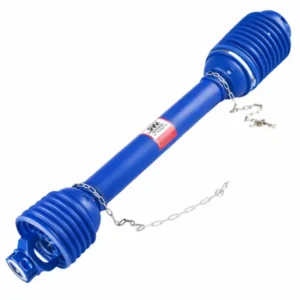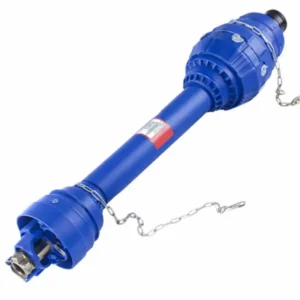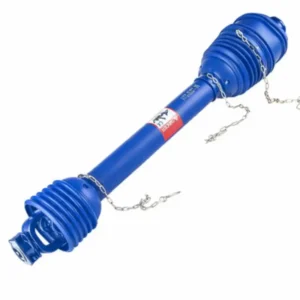
Description
#BUSY!
#BUSY!
#BUSY!
#BUSY!
#BUSY!
6.About us
We specialize in delivering high-quality PTO shafts engineered for the demands of agriculture and industrial machinery. Our PTO shafts offer unmatched reliability and durability, ensuring optimal performance across a range of implements, from mowers and balers to tillers and augers. Sourced from the finest materials and rigorously tested for strength, our shafts deliver smooth power transfer even in the most challenging environments. Whether you’re working in the humid Colombian plains or steep mountain terrains, our products are designed to keep your equipment running efficiently. We prioritize safety, performance, and customer satisfaction, providing tailored solutions for your specific needs. Let us help you optimize your operations with our robust PTO shafts.
7. FAQ about PTO Shafts
Q1. What is a PTO shaft?
A1: A PTO (Power Take-Off) shaft is a vital mechanical component used to transfer power from a tractor or engine to an implement or attachment. It connects the power source to various agricultural and industrial machinery, enabling them to operate efficiently.
Q2. How do I know which PTO shaft is right for my equipment?
A2: Selecting the appropriate PTO shaft involves examining the specifications of your tractor and the implement. You should consider the horsepower, length, and type of attachment points. Consulting the manufacturer’s guidelines or a knowledgeable dealer can also provide clarity.
Q3. What are the common applications of PTO shafts?
A3: PTO shafts are widely used in agricultural settings for devices such as balers, mowers, and tillers. They also find applications in construction equipment, generators, and other machinery that requires power transfer from a primary engine.
Q4. How do I maintain my PTO shaft?
A4: Regular maintenance of your PTO shaft is essential for longevity. This includes checking for wear and tear, lubricating moving parts, and ensuring that the protective guards are intact. It’s advisable to inspect the shaft before each use to prevent malfunctions.
Q5. What should I do if my PTO shaft is vibrating?
A5: Vibration in a PTO shaft can signal misalignment or imbalance. Inspect the shaft for any signs of damage or wear. Additionally, ensure that the attachment points are secure. If the problem persists, consult a professional for further diagnosis.
Q6. Are there safety measures to consider when using PTO shafts?
A6: Yes, safety is paramount. Always engage the PTO shaft while the tractor is stationary. Use guards to prevent entanglement, and wear appropriate safety gear. Educating operators about safe practices can significantly reduce the risk of accidents.
Q7. Can PTO shafts be repaired, or do I need to replace them?
A7: Many PTO shafts can be repaired if they show signs of wear, such as bent tubes or damaged universal joints. However, if the damage is severe, replacement might be a more cost-effective solution. Assessing the damage with a trained technician is advisable.
Q8. What materials are PTO shafts typically made from?
A8: PTO shafts are commonly constructed from high-strength steel to withstand the rigors of operation. Some models may incorporate aluminum or composite materials to reduce weight while maintaining durability. The choice of material affects performance and longevity.
Q9. How do I properly install a PTO shaft?
A9: To install a PTO shaft, align the shaft with the tractor’s output and the implement’s input. Ensure that the shaft locks securely into place. Follow the manufacturer’s instructions closely, as each model may have specific requirements for installation.
Q10. What are the signs of a failing PTO shaft?
A10: Signs of a failing PTO shaft include unusual noises during operation, excessive vibration, and difficulty in engaging or disengaging the shaft. If you notice any of these symptoms, it’s crucial to inspect the shaft immediately to prevent further damage.
Editor: PXY