
Product Description
Chrome conveyor shaft
Product Description
| Product Name | Chrome conveyor shaft |
| Design | Can be at the customer’ request, tailor-made, at customer’s design |
| Advantage | ZJD can provide the chrome conveyor shaft according to customers technical specifications |
Our Advantages
Application
Product Display
Company Profile
ZJD is located in Xihu (West Lake) Dis. Economic Development Zone, Xihu (West Lake) Dis. District, HangZhou, ZheJiang , which has very good transportation convenience and location advantages.ZJD own 1 subsidiary, which is located in HangZhou city, ZheJiang province, which is mainly responsible for EMU accessories for CRRC’s factory nearby.
ZJD’s production and office space is more than 12,000 square meters, and more than 60 sets of various types of CNC machining and quality control equipment.ZJD’s main products are widely used in CHINAMFG CR400, CR300, CR200 series standard EMUs, and expanded to subways, export passenger cars and EMUs and other products.
ZJD has more than 60 employees and more than 20 technical management personnel. The technical management team has many years of working experience in the rail transit industry.
Certifications
ZJD has obtained the national high-tech enterprise certification, 6 types of products have passed the high-tech certification, and related products have obtained more than 20 patents.
ZJD has established a comprehensive quality management system and has got ISO9001 quality management system certification, ISO/TS 22163 (IRIS) international railway industry standard certification, EN15085-2 railway vehicles welding system certification, and CHINAMFG product supply service qualification certification.
FAQ
1. Who are we?
HangZhou ZJD Rail Equipment Co.,Ltd. was established in 2012, which is a professional manufacturer of rail equipment and accessories.
2. Are you a reliable supplier?
ZJD-Excellent Manufacturer focusing on the rolling stock industry
Provide full-process Design, Production, Testing and Service according to customer requirements.
3.What can you buy from us?
We have designed and supplied a series of products such an air duct systems, piping systerms, pneumatic control units,etc.The product are used in various fields such an EMUs,subways,locomotives,wagon engineering vehicles,etc.
4. What services can we provide?
Provide customized services of heavy industry products for special requirements.
Provide diversified parts and trade services such as port machinery, steel heavy industry, mining machinery, etc.
Provide customized products for new energy equipment
Provide key process technology solutions for special parts in the field of new energy equipment.
/* March 10, 2571 17:59:20 */!function(){function s(e,r){var a,o={};try{e&&e.split(“,”).forEach(function(e,t){e&&(a=e.match(/(.*?):(.*)$/))&&1
| Material: | Chrome |
|---|---|
| Load: | Drive Shaft |
| Stiffness & Flexibility: | Flexible Shaft |
| Axis Shape: | Crankshaft |
| Shaft Shape: | Real Axis |
| Appearance Shape: | Round |
| Customization: |
Available
| Customized Request |
|---|
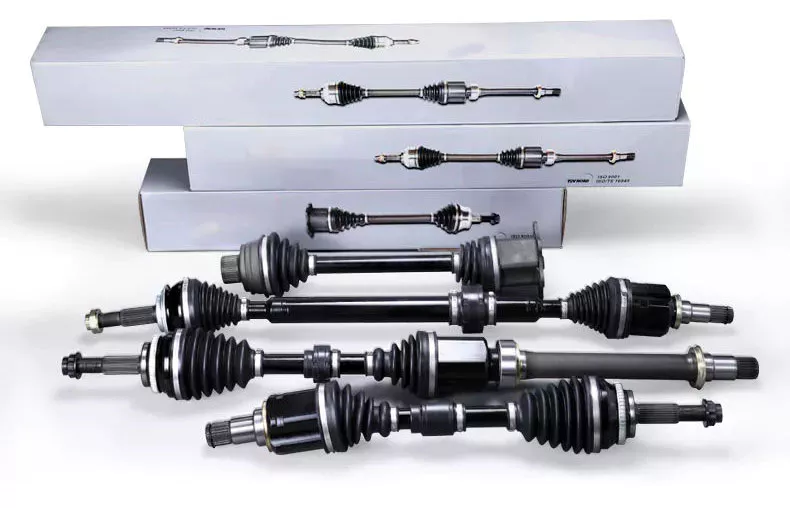
How do PTO shafts ensure efficient power transfer while maintaining safety?
PTO (Power Take-Off) shafts play a crucial role in ensuring efficient power transfer from a power source to driven machinery or equipment, while also maintaining safety. These shafts are designed with various features and mechanisms to optimize power transmission efficiency and mitigate potential hazards. Here’s a detailed explanation of how PTO shafts achieve efficient power transfer while prioritizing safety:
1. Mechanical Power Transmission: PTO shafts serve as mechanical linkages between the power source, typically a tractor or engine, and the driven machinery. They transmit rotational power from the power source to the equipment, enabling efficient transfer of energy. The mechanical design of PTO shafts, including their diameter, length, and material composition, is optimized to minimize power losses during transmission, ensuring that a significant portion of the power generated by the source is effectively delivered to the machinery.
2. Universal Joints and Flexible Couplings: PTO shafts are equipped with universal joints and flexible couplings that allow for angular misalignment and flexibility in movement. Universal joints accommodate variations in the alignment between the power source and the driven machinery, enabling smooth power transfer even when the two components are not perfectly aligned. Flexible couplings help to compensate for slight misalignments, reduce vibration, and prevent excessive stress on the shaft and connected components, thereby enhancing efficiency and reducing the risk of mechanical failure or damage.
3. Constant Velocity (CV) Joints: CV joints are often used in PTO shafts to maintain constant speed and torque transfer, particularly in applications where the driven machinery requires flexibility or operates at different angles. CV joints allow for smooth power transmission without significant fluctuations, even when the driven machinery is at an angle relative to the power source. By minimizing speed variations and power loss due to changing angles, CV joints contribute to efficient power transfer while ensuring consistent performance and reducing the likelihood of mechanical stress or premature wear.
4. Safety Guards and Shields: Safety is a paramount consideration in the design of PTO shafts. Protective guards and shields are installed to cover the rotating shaft and other moving parts. These guards act as physical barriers to prevent accidental contact with the rotating components, significantly reducing the risk of entanglement, injury, or damage. Safety guards are typically made of durable materials such as metal or plastic and are designed to allow the necessary movement for power transmission while providing adequate protection. Regular inspection and maintenance of these guards are crucial to ensure their effectiveness in maintaining safety.
5. Shear Bolt or Slip Clutch Mechanisms: PTO shafts often incorporate shear bolt or slip clutch mechanisms as safety features to protect the driveline components and prevent damage in case of excessive torque or sudden resistance. Shear bolts are designed to shear or break when the torque exceeds a predetermined threshold, disconnecting the PTO shaft from the power source. This helps prevent damage to the shaft, driven machinery, and power source. Slip clutches work similarly by allowing the PTO shaft to slip when excessive resistance is encountered, protecting the components from overload. These mechanisms act as safety measures to maintain the integrity of the PTO shaft and associated equipment while minimizing the risk of mechanical failures or accidents.
6. Compliance with Safety Standards: PTO shafts are designed and manufactured to comply with relevant safety standards and regulations. Manufacturers follow guidelines and requirements set by organizations such as the American Society of Agricultural and Biological Engineers (ASABE) or other regional safety authorities. Compliance with these standards ensures that PTO shafts meet specific safety criteria, including torque capacity, guard design, and other safety considerations. Users can rely on standardized PTO shafts that have undergone testing and certification, providing an additional layer of assurance regarding their safety and performance.
7. Operator Education and Training: To ensure safe and efficient operation, it is essential for operators to receive proper education and training on PTO shafts. Operators should be familiar with the specific safety features, maintenance requirements, and safe operating procedures for the PTO shafts used in their applications. This includes understanding the importance of using appropriate personal protective equipment, regularly inspecting the equipment for wear or damage, and following recommended maintenance schedules. Operator awareness and adherence to safety protocols significantly contribute to maintaining a safe working environment and maximizing the efficiency of power transfer.
In summary, PTO shafts ensure efficient power transfer while maintaining safety through their mechanical design, incorporation of universal joints and CV joints, installation of safety guards and shields, implementation of shear bolt or slip clutch mechanisms, compliance with safety standards, and operator education. By combining these features and practices, PTO shafts provide reliable and secure power transmission, minimizing power losses and potential risks associated with their operation.

Can you provide real-world examples of equipment that use PTO shafts?
Power Take-Off (PTO) shafts are extensively used in various industries, particularly in agriculture and construction. They provide a reliable power source for a wide range of equipment, enabling efficient operation and increased productivity. Here are some real-world examples of equipment that commonly use PTO shafts:
1. Agricultural Machinery:
- Tractor Implements: A wide array of tractor-mounted implements rely on PTO shafts for power transfer. These include:
- Mowers and rotary cutters
- Balers and hay equipment
- Tillers and cultivators
- Seeders and planters
- Sprayers
- Manure spreaders
- Harvesters, such as combine harvesters and forage harvesters
- Stationary Equipment: PTO shafts are also used in stationary agricultural equipment, including:
- Feed grinders and mixers
- Silo unloaders
- Grain augers and elevators
- Irrigation pumps
- Wood chippers and shredders
- Stump grinders
2. Construction and Earthmoving Equipment:
- Backhoes and Excavators: PTO shafts can be found in backhoes and excavators, powering attachments such as augers, hydraulic hammers, and brush cutters.
- Post Hole Diggers: Post hole diggers used for fence installation often rely on PTO shafts to transfer power to the digging mechanism.
- Trenchers: Trenching machines equipped with PTO shafts efficiently dig trenches for utility installations, drainage systems, or irrigation lines.
- Stump Grinders: Stump grinders used in land clearing and tree removal operations often utilize PTO shafts to power their cutting blades.
- Soil Stabilizers and Road Reclaimers: These machines use PTO shafts to drive the rotor and milling drums, which pulverize and mix materials for road construction and maintenance.
3. Forestry Equipment:
- Wood Chippers: Wood chippers used for processing tree branches and logs into wood chips are commonly powered by PTO shafts.
- Brush Cutters and Mulchers: PTO-driven brush cutters and mulchers are employed to clear vegetation and maintain forested areas.
- Log Splitters: Log splitters that split logs into firewood often utilize PTO shafts to power the splitting mechanism.
4. Utility Equipment:
- Generators: Some generators are designed to be driven by PTO shafts, providing an auxiliary power source for various applications in remote locations or during power outages.
- Pumps: PTO-driven pumps are commonly used for agricultural irrigation, water transfer, and dewatering applications.
5. Specialty Equipment:
- Ice Resurfacers: PTO shafts are employed in ice resurfacing machines used in ice rinks to maintain a smooth ice surface for ice hockey and figure skating.
- Air Compressors: Some air compressors are driven by PTO shafts, providing a source of compressed air for various applications.
These examples represent a range of equipment that extensively relies on PTO shafts for power transfer. PTO shafts enable the efficient operation of these machines, increasing productivity and versatility across various industries.
Can you explain the different types of PTO shafts and their applications?
PTO shafts (Power Take-Off shafts) come in various types, each designed for specific applications and requirements. The different types of PTO shafts offer versatility and compatibility with a wide range of machinery and implements. Here’s an explanation of the most common types of PTO shafts and their applications:
1. Standard PTO Shaft: The standard PTO shaft, also known as a splined shaft, is the most common type used in agricultural and industrial machinery. It consists of a solid steel shaft with splines or grooves along its length. The standard PTO shaft typically has six splines, although variations with four or eight splines can be found. This type of PTO shaft is widely used in tractors and various implements, including mowers, balers, tillers, and rotary cutters. The splines provide a secure connection between the power source and the driven machinery, ensuring efficient power transfer.
2. Shear Bolt PTO Shaft: Shear bolt PTO shafts are designed with a safety feature that allows the shaft to separate in case of overload or sudden shock to protect the driveline components. These PTO shafts incorporate a shear bolt mechanism that connects the tractor’s power take-off to the driven machinery. In the event of excessive load or sudden resistance, the shear bolt is designed to break, disconnecting the PTO shaft and preventing damage to the driveline. Shear bolt PTO shafts are commonly used in equipment that may encounter sudden obstructions or high-stress situations, such as wood chippers, stump grinders, and heavy-duty rotary cutters.
3. Friction Clutch PTO Shaft: Friction clutch PTO shafts feature a clutch mechanism that allows for smooth engagement and disengagement of the power transfer. These PTO shafts typically incorporate a friction disc and a pressure plate, similar to a traditional vehicle clutch system. The friction clutch allows operators to gradually engage or disengage the power transfer, reducing shock loads and minimizing wear on the driveline components. Friction clutch PTO shafts are commonly used in applications where precise control of power engagement is required, such as in hydraulic pumps, generators, and industrial mixers.
4. Constant Velocity (CV) PTO Shaft: Constant Velocity (CV) PTO shafts, also known as homokinetic shafts, are designed to accommodate high angles of misalignment without affecting power transmission. They use a universal joint mechanism that allows for smooth power transfer even when the driven machinery is at an angle relative to the power source. CV PTO shafts are frequently used in applications where the machinery requires a significant range of movement or articulation, such as in articulated loaders, telescopic handlers, and self-propelled sprayers.
5. Telescopic PTO Shaft: Telescopic PTO shafts are adjustable in length, allowing for flexibility in equipment configuration and varying distances between the power source and the driven machinery. They consist of two or more concentric shafts that slide within each other, providing the ability to extend or retract the PTO shaft as needed. Telescopic PTO shafts are commonly used in applications where the distance between the tractor’s power take-off and the implement varies, such as in front-mounted implements, snow blowers, and self-loading wagons. The telescopic design enables easy adaptation to different equipment setups and minimizes the risk of the PTO shaft dragging on the ground.
6. Gearbox PTO Shaft: Gearbox PTO shafts are designed to adapt power transmission between different rotational speeds or directions. They incorporate a gearbox mechanism that allows for speed reduction or increase, as well as the ability to change rotational direction. Gearbox PTO shafts are commonly used in applications where the driven machinery requires a different speed or rotational direction than the tractor’s power take-off. Examples include grain augers, feed mixers, and industrial equipment that requires specific speed ratios or reversing capabilities.
It’s important to note that the availability and specific applications of PTO shaft types may vary based on regional and industry-specific factors. Additionally, certain machinery or implements may require specialized or custom PTO shafts to meet specific requirements.
In summary, the different types of PTO shafts, such as standard, shear bolt, friction clutch, constant velocity (CV), telescopic, and gearbox shafts, offer versatility and compatibility with various machinery and implements. Each type of PTO shaft is designed to address specific needs, such as power transfer efficiency, safety, smooth engagement, misalignment tolerance, adaptability, and speed/direction adjustment. Understanding the different types of PTO shafts and their applications is crucial for selecting the appropriate shaft forthe intended machinery and ensuring optimal performance and reliability.

editor by CX 2024-02-03